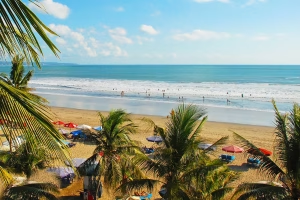
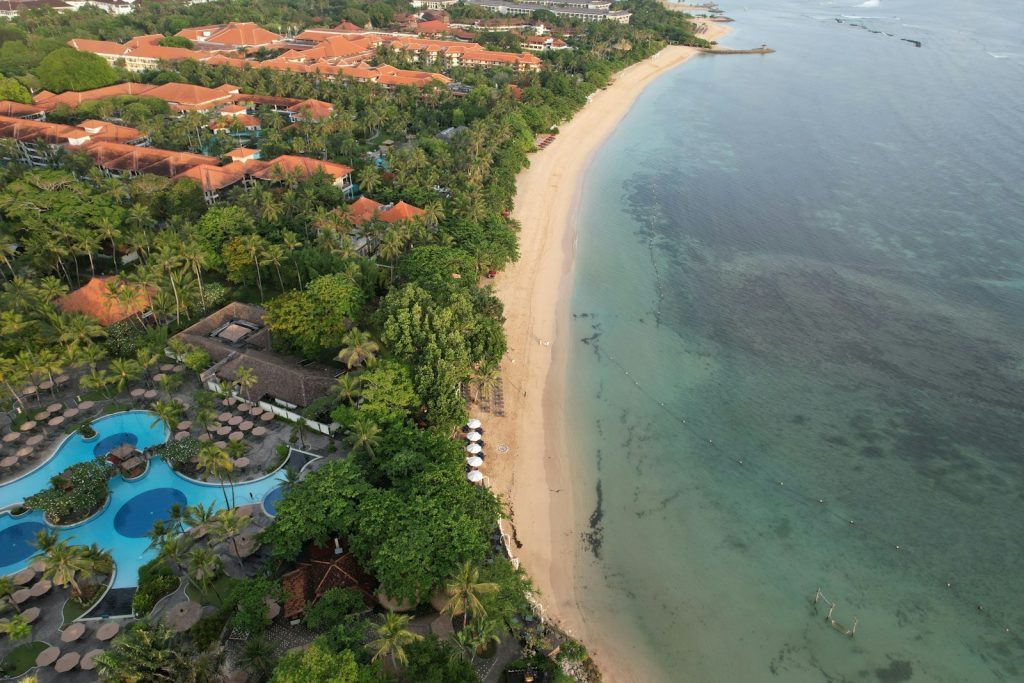
Nusa Dua is not the busiest part of Bali, but that is exactly why many people love it. Calm beaches, easy walking paths, and a good mix of water fun and culture make it a safe base for first timers and repeat visitors.
Quick Answer, And Why There Is No Single “Best” Thing
Nusa Dua sits on the southeastern coast of Bali, around 30 to 40 minutes by car from the airport. It is a quiet resort area with wide paths, safe swimming beaches, and large hotels along the coast.
Nusa Dua is one of those places that works for almost everyone. Families, couples, honeymooners, first timers to Bali, even older travelers who want comfort and calm, all can find something they love here. The area is clean, easy to get around, and the beaches are safe for swimming, which already makes it stand out from many other parts of the island.
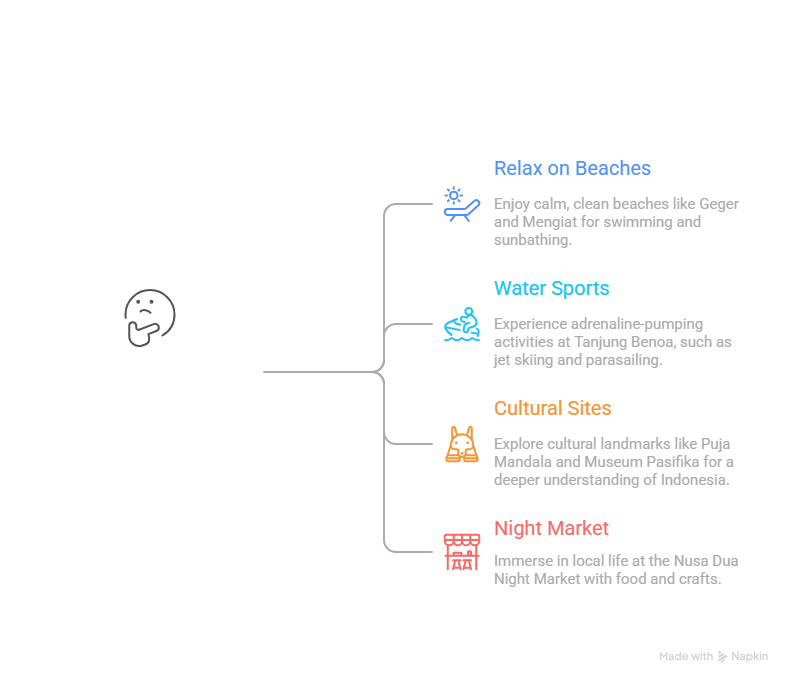
Instead of one “must do” activity, Nusa Dua is more like a menu. Your best thing to do will depend on what you enjoy most. If you like raw nature and drama, Waterblow will grab your attention with huge waves crashing into the cliffs. If you are a beach person, soft white sand and clear lagoons at Geger Beach and Mengiat Beach are hard to beat for swimming and relaxing.
If you want a bit of speed and fun on the water, you can head to nearby Tanjung Benoa for jet ski, parasailing, banana boat rides, or even sea walking and flyboard sessions. Culture lovers can spend their time at places like Museum Pasifika, Puja Mandala, Pura Geger, or book seats for the Devdan Show to see Indonesia’s regions come to life on stage.
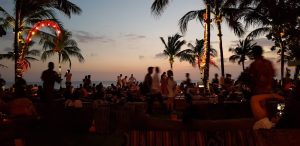
And when the sun goes down, you can close the day at the Nusa Dua Night Market, trying local food, picking up crafts, and soaking in the evening atmosphere. Put together, these highlights are the reason there is no single best thing in Nusa Dua, there is a mix of nature, culture, water activities, and local life that lets you build your own ideal day.
Relax On Nusa Dua’s Best Beaches
When people think of Nusa Dua, they often think of its beaches first. The coastline here is calm, clean, and easy to enjoy, whether you want to float in the water, snorkel over coral, or just stretch out on a lounger with a cold drink. Two of the nicest spots are Geger Beach and Mengiat Beach, both with clear water and gentle waves that suit families and relaxed travelers.
1. Geger Beach

Why Travelers Love Geger Beach
Geger Beach sits behind a natural reef, so the waves break farther out and the water near the shore stays calm and clear. This makes it a great spot for people who are not strong swimmers or who are traveling with kids. You can step into the sea without fighting strong currents and still enjoy that classic Bali blue water.
Because the bay is so sheltered, Geger works well for beginners who want to try snorkeling for the first time. Families like it because children can play close to the shore while adults swim or relax on the sand. The whole feel is simple and slow, with more focus on the sea itself than on loud beach bars.
Snorkeling And Marine Life
Just a short swim from the shore, you will start to see colorful tropical fish and patches of coral. In some areas you can also see local seaweed farms, which add an interesting touch to the landscape and show how the coast supports local work as well as tourism.
If you do not bring your own equipment, you can rent snorkel gear from local stalls along the beach. Prices typically sit around IDR 50,000 to 100,000 per hour, depending on the set and the season. It is a simple way to spend an hour or two in the water without planning a full boat trip.
Beach Clubs And Facilities
One reason Geger Beach is easy to enjoy is the support facilities along the sand. Several spots offer sun beds where you can stretch out for a few hours, often with the option to order drinks or simple food like fried rice, noodles, or snacks.
Basic services such as showers and toilets are available near some of the beach cafes, so you can rinse off the salt before heading back to your hotel. This mix of natural setting and light services keeps Geger comfortable without feeling too crowded.
2. Mengiat Beach
Beach Atmosphere And Vibe
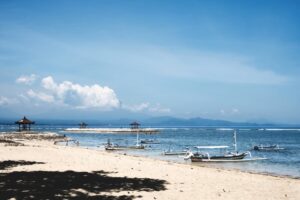
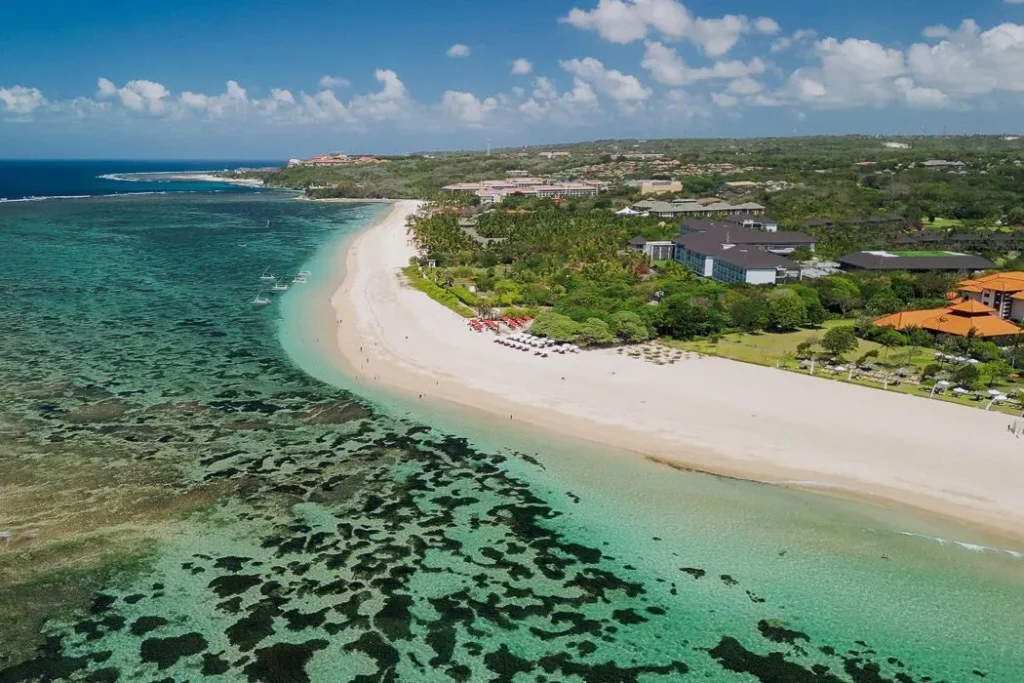
Mengiat Beach is another favorite in Nusa Dua, known for its long line of white sand and clear, lagoon style water. The shoreline is wide and feels open, which is perfect for slow walks, sunrise photos, or just sitting by the water and watching the day go by.
The atmosphere here is a touch quieter than many better known Bali beaches. You will see resort guests, local visitors, and some vendors, but the overall energy stays relaxed. It suits people who want simple beach time without background music or crowded bars.
Water Activities
The water at Mengiat Beach is usually calm enough for casual swimming, and you can bring or rent basic snorkeling gear to explore areas with coral and small fish. Expect more of a gentle coastal experience than a full on water sports center.
For many visitors, the main activity is just swimming, floating, and strolling along the sand. It is an easy place to spend half a day without feeling rushed.
Tips For Enjoying Nusa Dua Beaches
The best time to visit Nusa Dua’s beaches is usually early in the morning or late in the afternoon. Mornings often bring softer light and fewer people, while late afternoons give you cooler temperatures and the lead up to sunset. Midday sun can be strong, so plan shade breaks if you are staying long.
Sun protection is important here. Bring reef safe sunscreen if possible, a hat, and maybe a light shirt for extra cover. When you are in the water near coral, avoid standing on it or touching it with fins, as this can damage fragile marine life.
Along parts of the coast you will find small shrines or access paths near temple areas, especially close to Pura Geger. Dress modestly if you plan to walk near temples, keep noise down, and never climb on religious structures. A little respect goes a long way and helps keep the beaches welcoming for both visitors and locals.
See Nature’s Power At Waterblow
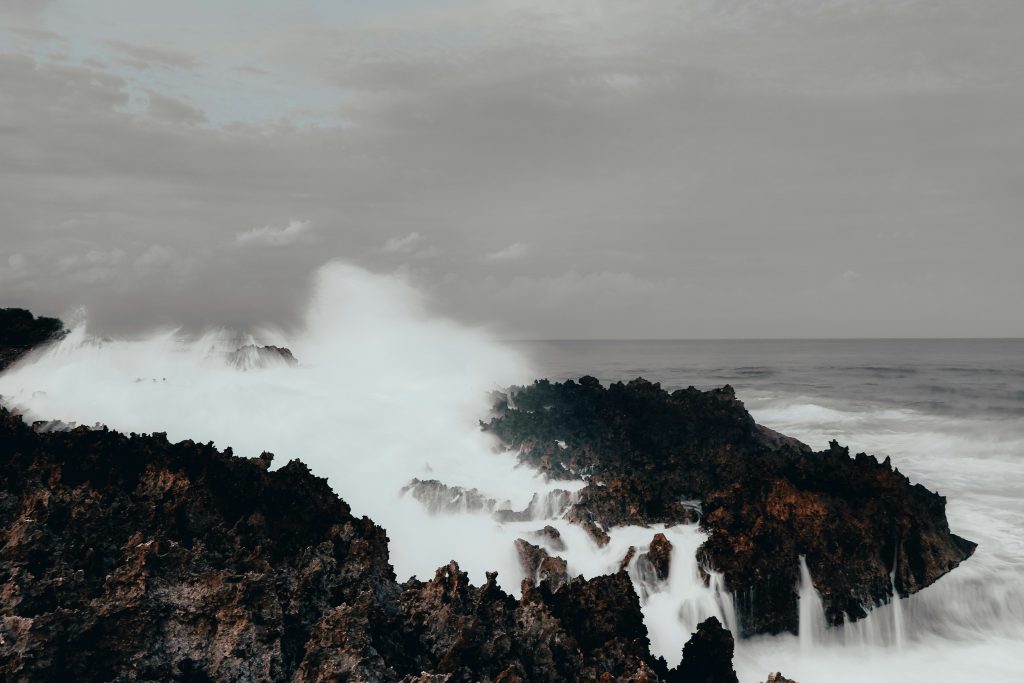
Waterblow is one of the most dramatic natural spots in Nusa Dua. It sits on the rocky tip of the peninsula inside the ITDC complex, only a short walk or quick ride from many of the main resorts. Here, powerful waves from the Indian Ocean rush into a narrow gap in the limestone cliffs and shoot straight up into the air, sometimes reaching several stories high.
The best time to visit is when the sea is rougher and the tide is higher. From around July to October the swells are often stronger, so the spray is taller and the sound is louder. Aim for mid morning or late afternoon when the light is softer, and avoid days when conditions are clearly too rough or the area is temporarily closed for safety.
A concrete path and viewing platforms let you watch the waves from different angles. Even with guardrails, you still need to treat it with respect. Stay behind any warning signs, keep an eye on children, and do not climb over the barriers to get closer photos. The waves are unpredictable, and a bigger set can hit without much warning.
You should also plan to get wet. When the spray comes up, it can fall back in a wide area around the platform, soaking clothes, hair, and bags in seconds. Bring a light rain jacket or wear clothes that dry quickly, and protect your phone or camera with a waterproof case or pouch. If you would rather stay dry, stand a little farther back and watch how far the spray reaches before you move closer.
Get Your Adrenaline Fix With Water Sports At Tanjung Benoa
Overview Of Tanjung Benoa As A Water Sports Hub
Tanjung Benoa sits just north of Nusa Dua, only a short drive from the main resort area. Many hotels can arrange transport, and it usually takes around 10 to 20 minutes to get there, depending on where you are staying.
The coastline here is shielded from big ocean swells, so the sea stays relatively calm for most of the day. That is a big reason why Tanjung Benoa works so well for water based fun with mixed ages. Kids, teens, and adults can all enjoy the water without facing heavy surf. Boats and activity zones are set in organized areas, which helps keep things clear and controlled.
Popular Water Sports To Try
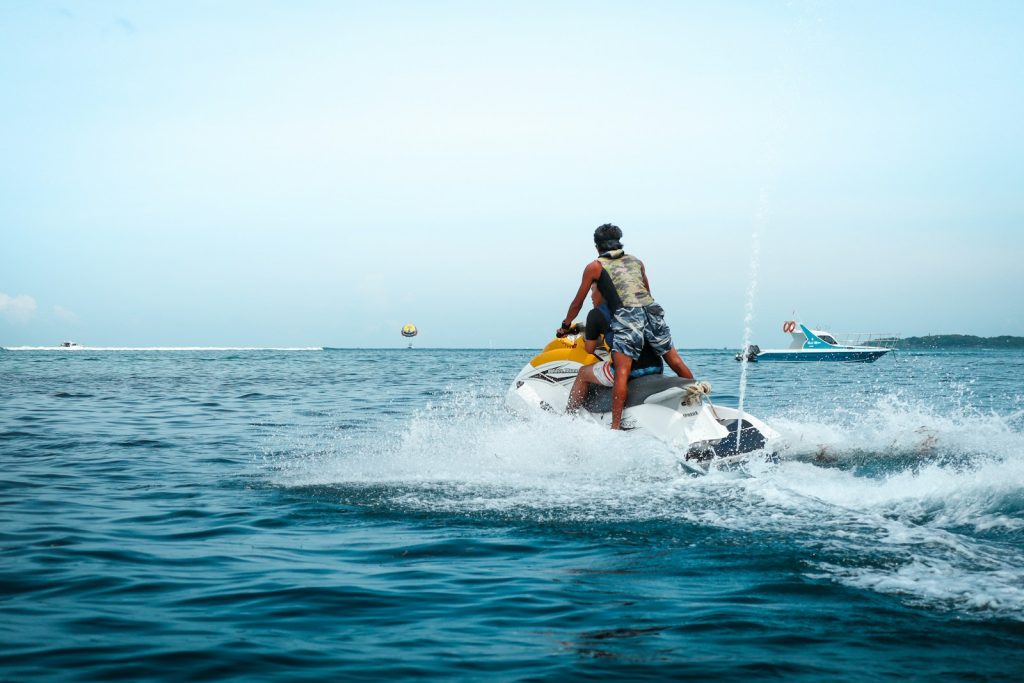
Tanjung Benoa is packed with options, so you can choose how wet and how fast you want to go. Some of the most common activities include
- Jet ski for those who want speed on the surface
- Parasailing for sea and coastline views from above
- Banana boat for groups who want laughs and splashes
- Snorkeling in calmer zones to see fish and coral
- Stand up paddleboard for a slower, more relaxed session on the water
If you like board sports, you can also try wakeboard or similar tow based activities behind a motor boat. These suit people who are comfortable in the water and want a bit more challenge than a simple ride.
Next Level Experiences
For something more extreme, Tanjung Benoa has a few modern toys as well. Flyboard and Jetovator sessions let you stand on a board or sit on a device that pushes water downward, lifting you above the surface. With a bit of balance and guidance from the crew, you can hover, turn, and even try small dips back into the sea.
Another option is the sea walker program. Instead of diving with tanks, you wear a special helmet that keeps your head dry while you walk along the sea floor on a guided route. This suits people who want to see marine life up close but are not keen on full scuba lessons. It is also a fun choice for families with older children or adults who prefer to keep things simple.
Prices, Safety, And How To Choose An Operator
Most operators in Tanjung Benoa price their activities per person or per package. You will often see menus that show individual prices for each activity, as well as bundled offers if you book two or three at once. Packages can sometimes give better value than booking everything one by one.
When choosing an operator, look for clear pricing, modern looking equipment, and staff who explain safety rules in a way you can understand. Life jackets should be in good condition and provided for every activity where you are on or in the water. For activities like parasailing and flyboard, check that staff handle harnesses and gear carefully and that boats do not seem overloaded.
Some stalls may try to pull you in with very low starting prices and then add unexpected fees. To avoid this, compare a few operators first, read any price board carefully, and ask what is included before you agree. Booking through your hotel or a trusted tour desk can also help reduce the risk of overpaying.
What To Bring For A Day At Tanjung Benoa
Packing a few basics will make your day smoother
- Swimwear that fits well and stays in place during active rides
- A set of dry clothes to change into after you finish
- A waterproof pouch or dry bag to protect your phone and small items
Do not forget practical extras. Sunscreen is essential, as you will be in direct sun on the water. Simple sandals or flip flops work well for moving between the sand and the boat. A towel is handy for drying off between sessions, and some cash or a card will be needed for activities, photos, and snacks.
Experience Indonesian Culture At The Devdan Show
What Is The Devdan Show?
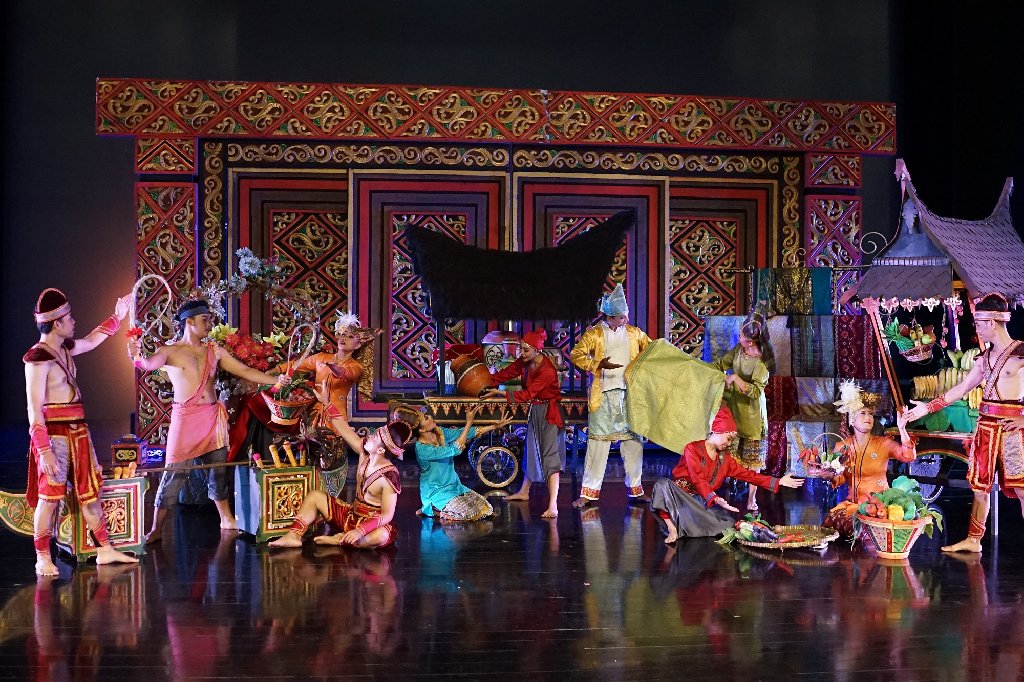
The Devdan Show is a stage performance in Nusa Dua that brings Indonesia’s culture to life through dance, music, and theater. It tells the story of the islands in a fast moving, visual way, using a mix of traditional moves and modern choreography that feels fresh and easy to follow.
On stage you will see classic Indonesian dance forms reworked with contemporary steps, upbeat music, and strong visual cues. It is not a quiet museum style performance. The show is designed to keep your attention from start to finish, even if you do not know much about Indonesia before you sit down.
Regions And Cultures Featured In The Show
During the show you move across different parts of Indonesia, including Bali, Java, Sumatra, Borneo, Papua, and several smaller island groups. Each segment focuses on one region and its local character, so by the end of the night you have a broad sense of how varied the country really is.
The story is told through a mix of live music, recorded sound, costumes, and movement. Bali might appear with flowing fabrics and temple inspired scenes, Java with court dances and graceful hand work, Sumatra with strong, rhythmic steps, Borneo with tribal style patterns and props, and Papua with bold colors and high energy group sections. You do not need a guidebook to follow it, the visual storytelling does the work for you.
Stage Effects And Performance Style
One of the reasons the Devdan Show stands out is the use of modern stage effects. Expect aerial acts where performers rise above the stage, strong lighting design that shifts mood from scene to scene, and sound that supports every jump, spin, and drum hit. Costumes are rich in detail and color, so even from a distance the shapes and patterns are clear.
This mix of spectacle and cultural content works well for both kids and adults. Children enjoy the bright visuals, fast changes, and acrobatics. Adults can appreciate the craft, the cultural references, and the overall production quality. It is a good choice if you want something that feels like a night out but still teaches you something about Indonesia.
Schedule, Tickets, And Practical Info
The Devdan Show usually runs several times a week in the evening, often around 7.30 pm, so it fits nicely after an early dinner. Check the official schedule or your hotel’s information desk for the latest days and any seasonal changes.
You can book tickets through the official Devdan Show website, hotel concierges, or trusted tour desks around Nusa Dua. Booking ahead is wise in busy periods, especially if you want specific seats. Many visitors aim for central seating a little way back from the stage, close enough to see details but wide enough to take in the full set.
Plan to arrive at the theater at least 20 to 30 minutes before the show starts so you can find your seat and settle in without rushing. Dress code is casual smart. Light, neat clothing and comfortable shoes are fine, just avoid beachwear like wet swimwear or very short cover ups. The venue is air conditioned, so you might even be glad to have a light layer with you.
Visit Nusa Dua’s Key Cultural And Spiritual Sites
Puja Mandala, A Symbol Of Religious Harmony
What Makes Puja Mandala Unique
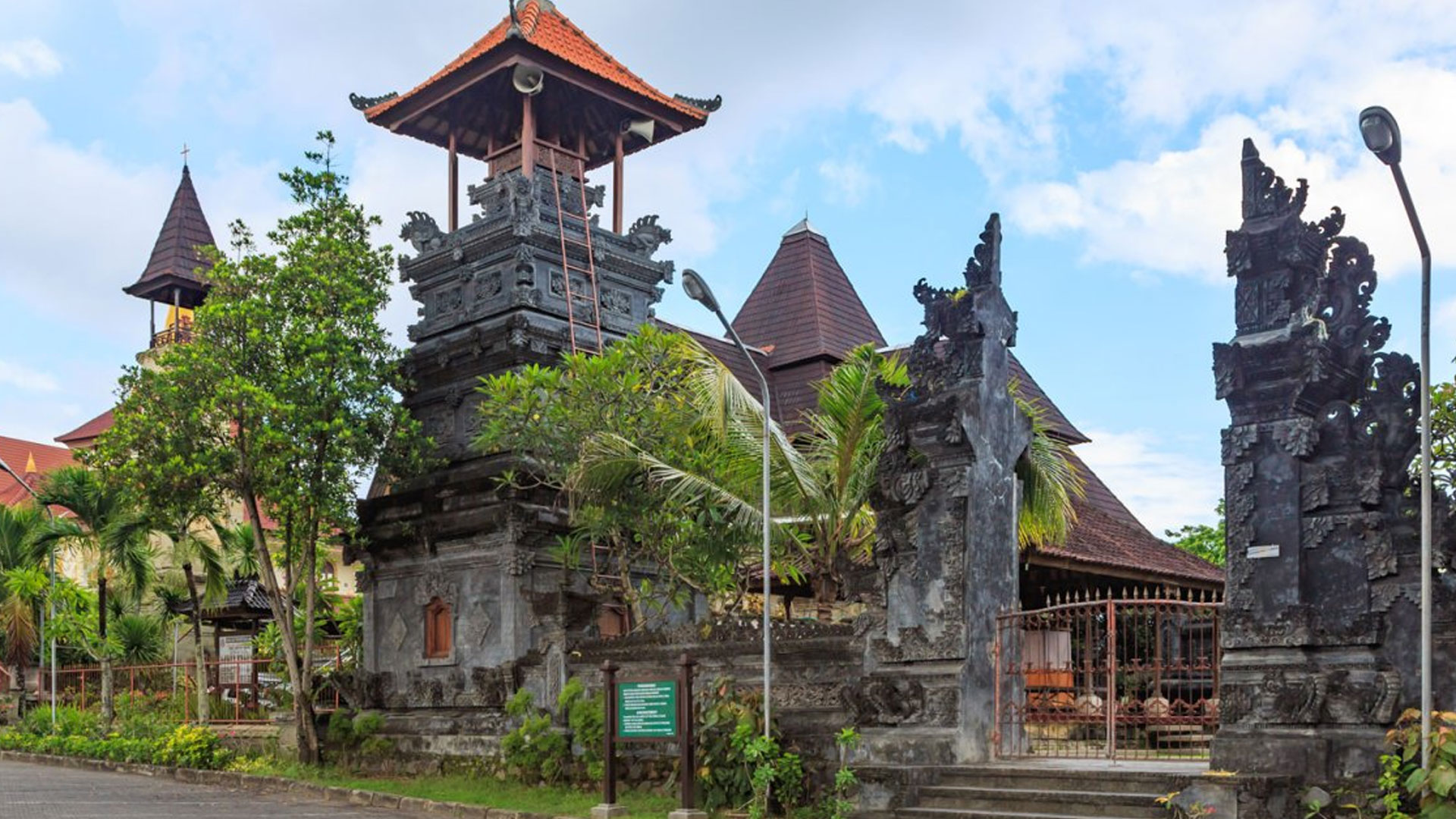
Puja Mandala is one of the most interesting cultural spots in Nusa Dua because it gathers five different houses of worship in a single complex. In one area you will find a Hindu temple, a mosque, a Buddhist temple, a Catholic church, and a Protestant church standing close together.
The site represents Indonesia’s idea of unity in diversity in a very clear way. It shows how different faiths can share the same space, each practicing their own traditions while respecting others. For many visitors, this alone makes Puja Mandala worth a visit.
What You Will See There
As you walk through the complex you will pass
- A Balinese Hindu temple with carved gates and shrines
- A grand mosque with a central dome and prayer hall
- A Buddhist temple with statues and calm inner spaces
- A Catholic church with a cross and classic church layout
- A Protestant church with its own design and worship area
This is a living place of worship, not just a photo stop, so simple respect goes a long way. Keep your voice low, dress modestly with shoulders and knees covered, and avoid blocking entrances when people are coming to pray. Ask before taking close up photos of worshippers and follow any signs or staff instructions on where you can and cannot walk.
Museum Pasifika, Art From Across Asia Pacific
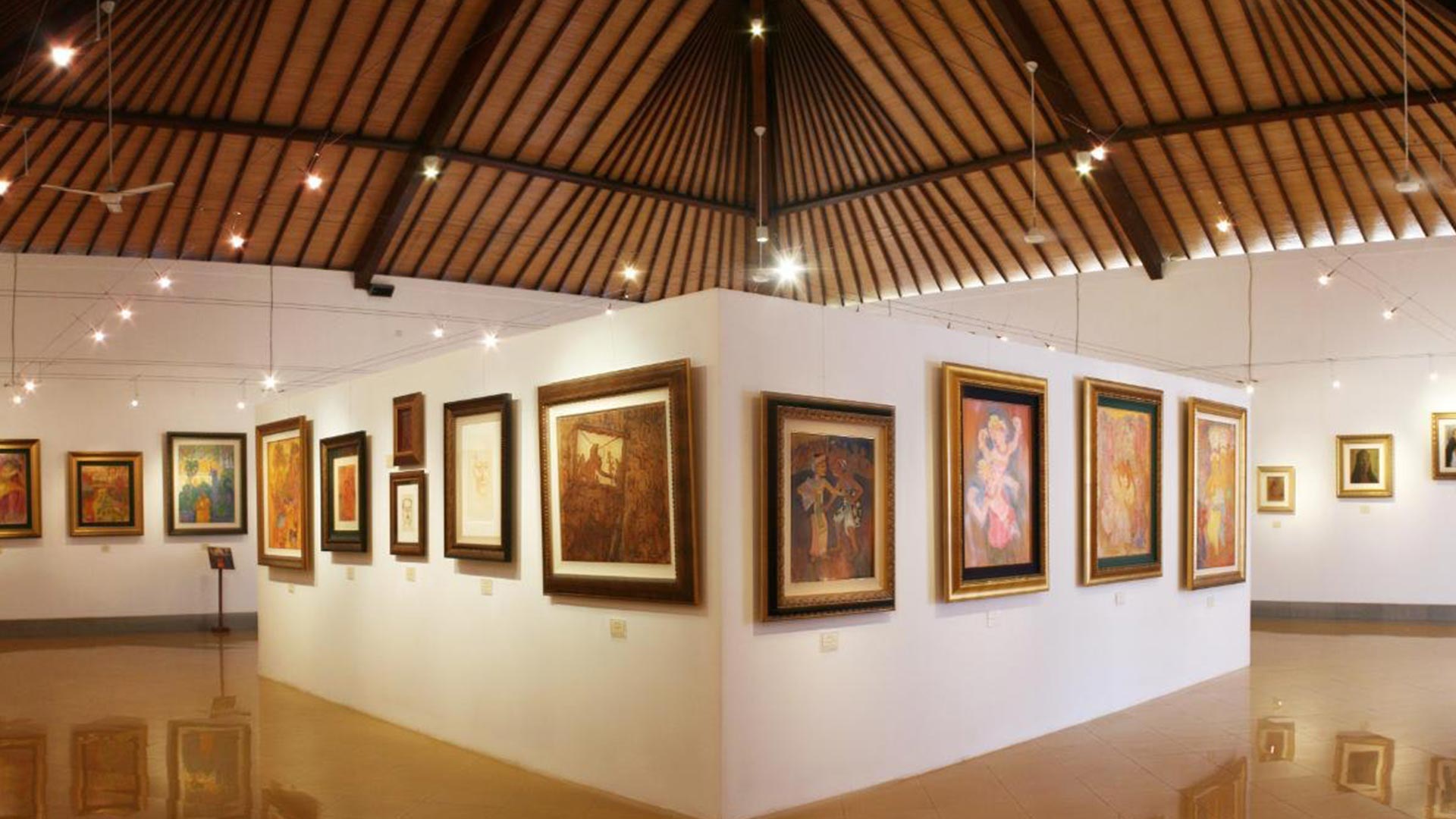
Collection Highlights
Museum Pasifika is an art museum in Nusa Dua that showcases more than 600 works from across the Asia Pacific region. The collection brings together pieces from Indonesia and many other parts of the world, giving you a broad view in one visit.
You will see works by well known Indonesian artists such as Raden Saleh, Affandi, and Hendra Gunawan, alongside foreign artists who spent time in Indonesia and the wider region. There are also sections for Italian, Dutch, French, Indo European, and other international artists who were inspired by life in Asia and the Pacific.
What To Expect Inside
The museum is arranged by region and artist group, with different pavilions and rooms focusing on specific themes or countries. This makes it easy to move from Indonesian pieces to Indochina, Polynesia, and other areas without feeling lost.
Inside you will find mainly paintings, supported by some sculptures and cultural objects. Scenes of local life, landscapes, traditional ceremonies, and portraits are common, so you get a sense of how artists from different backgrounds saw this part of the world. It is a calm indoor space, ideal for a break from the heat.
Who Will Enjoy Museum Pasifika
Museum Pasifika suits anyone with an interest in art or culture. Art lovers will enjoy the range of styles and the chance to see big names in one visit. History lovers can read the context and see how the region has been presented over time.
Families with older children or teens can also get good value from a visit, especially if they want something educational that is not too formal. Younger kids may enjoy picking out colors and scenes, while adults move at their own pace.
Pura Geger, Cliffside Temple By The Sea
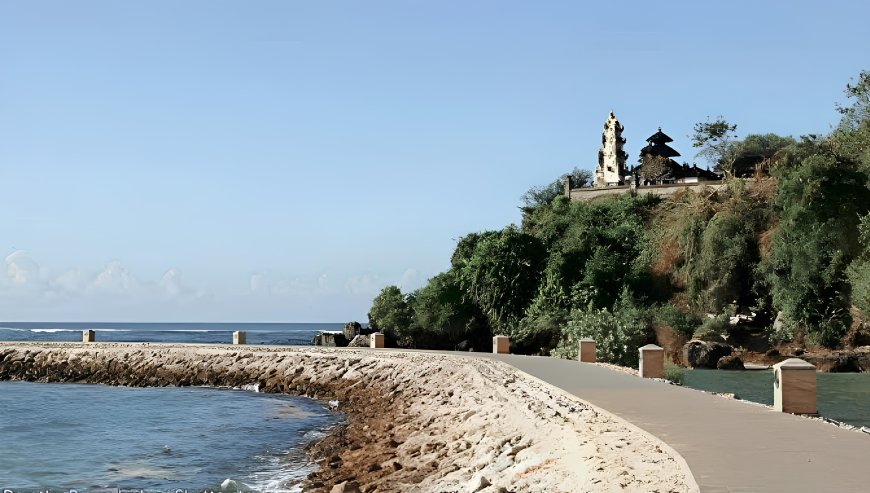
History And Role Of Pura Geger
Pura Geger is a coastal Hindu temple that sits on a cliff above the sea near Geger Beach. It is one of the spiritual anchors of the area, with roots in local worship of sea and nature spirits that protect the coast.
The temple has a close link to daily life around Geger Beach. Locals come here for ceremonies tied to the ocean, farming, and important religious dates. When you visit the beach and see the temple on the headland, you are looking at a place that has long shaped how the community relates to the sea.
Visiting Etiquette
Because Pura Geger is an active place of worship, visitors are expected to follow basic temple rules. Wear a sarong and sash when entering the main temple area. If you do not have your own, check if there is a lending or rental option nearby, or ask your hotel if they can provide one before you go.
Keep your behavior quiet and respectful. Avoid loud talk, do not smoke inside the temple grounds, and never climb on shrines, statues, or walls for a better view or a photo. If a ceremony is in progress, stay to the side and watch from a respectful distance. When in doubt, follow the lead of locals and any posted signs.
Eat, Shop, And People Watch At Nusa Dua Night Market
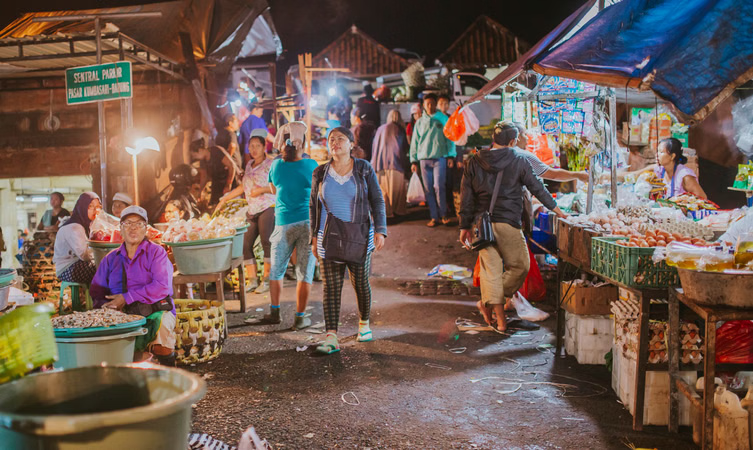
What You Can Find At The Night Market
The Nusa Dua Night Market is a good place to see a more local side of the area after dark. Along the rows of stalls you will find plenty of food vendors serving classic Balinese and Indonesian snacks. Think satay sticks fresh off the grill, nasi goreng and mie goreng, grilled corn, sweet pancakes, and iced drinks to cool down the evening.
Between the food stalls are tables and small shops selling handmade crafts and simple souvenirs. You might see woven bags, sarongs, wooden carvings, small pieces of jewelry, keychains, and other light gifts you can take home. It is a nice spot to pick up small items that feel more local than what you find in big malls.
Best Time To Visit
The night market usually opens in the early evening, but it feels most alive a bit later, once more food stalls are ready and the dinner crowd arrives. Aim for around 7 pm onward if you want a fuller choice of dishes and more buzz.
If you prefer a quieter look around with fewer people, you can go earlier, then stay as it gets busier. The market tends to slow down again later at night, so plan your visit as part of your evening rather than leaving it too late.
Tips For Eating And Shopping
If you are new to local dishes, start by walking the whole stretch once to see what catches your eye. You can point to dishes you want, or ask the vendor for their favorite or “rekomendasi.” Many stalls have photos or visible plates, which makes it easier to choose. If you have allergies or do not eat spicy food, say “tidak pedas” for no chili, or ask your hotel to write down key phrases for you.
Prices for souvenirs and some snacks are often flexible. A simple way to bargain is to smile, ask the price, and if it feels high, gently suggest a lower number. Keep it friendly and do not push too hard over small amounts. If the price is still not right for you, it is fine to say thank you and walk away.
Bring enough cash in small notes, as some stalls do not accept cards or may struggle with large bills. For hygiene, look for busy food stalls with steady local customers, as high turnover usually means fresher food. Check that cooked items are hot, and avoid anything that looks like it has been sitting in the sun too long. Keep an eye on your bag or phone in crowded spots, as you would in any market, and enjoy watching the flow of locals and visitors sharing the same space.
Sample Itineraries, How To Combine The Best Things To Do
These sample itineraries work well if you are staying in a Nusa Dua resort and want to mix beach time with a few easy side trips.
One Day Nusa Dua Itinerary
If you only have one full day in Nusa Dua, keep it simple and focused.
Morning
Start with a relaxed morning at the beach. Choose Geger Beach or Mengiat Beach for calm water and soft sand. Swim, walk along the shore, or sit in a lounger with a drink while the sun is still gentle.
Afternoon
After lunch, pick one highlight
- If you like natural drama, head to Waterblow. Spend an hour or two walking the paths, watching the waves crash, and taking photos from the safe viewing points.
- If you prefer more action, go to Tanjung Benoa for jet ski, parasailing, banana boat, or stand up paddleboard. A two to three hour session is usually enough to enjoy a few activities without getting too tired.
Evening
In the evening, choose between
- The Devdan Show, if you want a structured cultural experience with dance, music, and stage effects.
- The Nusa Dua Night Market, if you want a casual night with street food, light shopping, and people watching.
Either way, you finish the day with something that feels different from your time on the sand.
Nusa Dua Itinerary For 2 To 3 Days
With two or three days, you can slow the pace and spread things out.
Day 1
- Morning at Geger Beach or Mengiat Beach.
- Easy lunch near your hotel or at a beach cafe.
- Late afternoon stroll to Waterblow while it is a bit cooler.
- Early dinner, then the Devdan Show in the evening.
Day 2
- Late breakfast, then head to Tanjung Benoa for water sports. Book one main package and keep some time to rest between activities.
- Return to the hotel for a swim in the pool or a nap.
- Evening visit to Nusa Dua Night Market for local food and souvenirs.
Day 3 (if you have it)
- Morning visit to Puja Mandala and Museum Pasifika for culture and art in cooler hours.
- Lunch nearby, then a relaxed afternoon back at the beach or spa time at your resort.
- Sunset walk along the coastline or a nice dinner at a beachfront restaurant.
This order spreads out physical effort, avoids being in full sun all day, and keeps busy water sports away from the same day as long sightseeing walks.
Ideas For Different Traveler Types
Family With Kids
- Focus on calm beaches in the morning and early afternoon, where children can swim and play safely.
- Add gentle activities at Tanjung Benoa such as banana boat, snorkeling, or sea walker for older kids.
- Choose the Devdan Show for one evening, as the bright visuals and clear story keep children engaged.
- Mix in one early visit to the night market for simple food and a short walk, then return to the hotel before it gets too late.
- If you are traveling with a large family group, you can also look at private villas in Bali for families and use Nusa Dua as your calm beach day base.
Couple Looking For Calm And Romance
- Spend slow mornings at Geger or Mengiat with time for beach walks, reading, and swimming.
- Choose one active half day at Tanjung Benoa if you both enjoy shared experiences, then balance it with a spa treatment or pool time.
- Plan a sunset walk by the beach and a dinner at a nice restaurant on one night.
- If you like culture, add the Devdan Show or a quiet visit to Pura Geger and Museum Pasifika.
Culture Focused Traveler
- Start with Puja Mandala and Museum Pasifika in the cooler morning hours, then visit Pura Geger and the nearby beach.
- Add the Devdan Show on your first or second night to tie together the themes you have seen during the day.
- Use beach time as a soft break between cultural stops rather than the main focus.
- Visit the night market to try local snacks and observe everyday life, even if you are not shopping much.
Practical Tips Before You Go
Best Time Of Year To Visit Nusa Dua
Nusa Dua is warm all year, but the feel of your trip changes a bit between the dry and wet seasons.
The dry season usually runs from around April to October. Days are mostly sunny with lower rainfall and less humidity. This is the easiest time for long beach days, clear mornings, and outdoor plans. Sea conditions are often calmer and clearer, which suits swimming, snorkeling, and most water sports.
The wet season, roughly November to March, brings more rain and higher humidity. Showers can be short and heavy, often in the afternoon or evening, with bright spells in between. You can still enjoy the beach, but you may need to work around passing showers.
For Waterblow, stronger swells from around July to October often make the wave impact more dramatic, but also more unpredictable. Always stay behind safety barriers and follow signs. For Tanjung Benoa water sports, operators may adjust or pause activities if the sea becomes too rough or visibility drops, especially in the wetter months.
If you like calm seaside areas, you might also enjoy luxury resorts in Sanur, which pair well with a few days in Nusa Dua.
What To Pack For Nusa Dua
Packing light, smart clothing makes your stay more comfortable.
For the beach, bring swimwear, breathable shirts, shorts, and a light cover up you can throw on when you leave the sand. A quick dry shirt or rash guard helps if you plan to spend a lot of time in the water.
For temples and cultural visits, include at least one outfit that covers shoulders and knees. A loose shirt and light pants or a long skirt work well. A scarf or light shawl is handy if you need extra cover. Some temples provide or rent sarongs and sashes, but it is useful to have your own if you plan several visits.
For shows like the Devdan Show or dinners, casual smart clothes are enough. Think neat T shirt or shirt, simple dress, or top with long pants or skirt. The air conditioning can feel cool, so a light layer is helpful.
Footwear can be simple. Flip flops or sandals for the beach, and comfortable walking shoes or sandals for temples and day trips. Sun protection is important. Bring sunglasses, a hat or cap, and sunscreen, ideally one that is kind to coral if you plan to snorkel.
Respecting Local Culture
Bali is deeply spiritual, and even in a resort area like Nusa Dua you will often pass temples and small shrines.
In temples, dress modestly. Cover shoulders and knees, wear a sarong and sash if entering the inner areas, and follow any instructions from temple staff. Move calmly, speak in a low voice, and never climb on statues, shrines, or walls. Do not point your feet at sacred objects when sitting, and avoid walking in front of people who are praying.
In general, avoid beachwear when visiting religious sites or walking through temple grounds. What feels normal at the pool can seem disrespectful in a spiritual place. A simple rule helps: if you can see locals wearing more modest clothing in a spot, follow their lead. This keeps your visit smooth and keeps these important places welcoming for future guests.
Why Nusa Dua Stands Out Compared To Other Areas In Bali
Nusa Dua stands out because it is one of the few parts of Bali that combines soft white sand, clear calm water, and a very organized resort area. The beaches are safe and easy to access, the streets are clean, and facilities are well managed. It feels relaxed and controlled without losing the feel of being by the ocean in Bali.
What really sets Nusa Dua apart is the balance. You get sheltered beaches at Geger and Mengiat, fun water sports close by at Tanjung Benoa, and cultural touches through places like Puja Mandala, Museum Pasifika, Pura Geger, and the Devdan Show. Add in the night market for local food and you have a mix that covers beach time, comfort, and culture without going far.
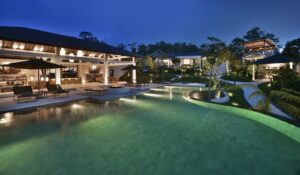
Nusa Dua is the right base if you want a quiet, smooth stay with easy beach access and good hotel facilities, and you can choose from a range of Nusa Dua resorts that match different budgets and styles.
If you want more variety, you can pair Nusa Dua with other parts of Bali. Stay here for a few nights of calm, then add Ubud for rice fields and inland culture, or Seminyak, Canggu, and Uluwatu beachfront hotels if you want more cliff views, surf, and sunset spots.
FAQ About The Best Things To Do In Nusa Dua
Yes, it is. Even if your hotel is in Kuta, Legian, or Seminyak, a day trip to Nusa Dua gives you a different side of Bali. The water is calmer, the beaches are cleaner, and the overall feel is more relaxed. You can spend the morning at Geger or Mengiat Beach, visit Waterblow, then end the day with the Devdan Show or the night market before heading back.
Very much so. The main beaches are protected by reefs, so the water near the shore stays gentle, which is ideal for children and anyone who prefers easy swimming. Footpaths are smooth, hotels are set up with lifts and facilities, and getting around is simpler than in areas with heavy traffic and narrow streets. Families and older travelers usually find Nusa Dua easy and low stress.
You can. Many people link Nusa Dua with high end resorts, but you do not need to stay in a luxury hotel to enjoy the area. You can choose mid range stays nearby, or use our Bali budget accommodation guide to plan a mix of cheaper nights in other areas, then spend days at public sections of the beach, eat at local warungs, and visit the night market for affordable food. Water sports and shows cost more, but you can pick one or two key activities rather than doing everything.
For basic beach time, no. The main Nusa Dua beaches are calm and shallow near the edge, so light swimming and floating are manageable for most people, as long as you follow flags and local advice. For water sports like banana boat or parasailing, life jackets are provided and staff guide you through the process.
You do not need to be an expert swimmer, but you should be comfortable in the water and honest about your limits. For things like sea walker, you are on a guided route with a helmet, which suits people who are less confident in open water. If you are unsure, start with calm beach swimming and simple activities, then see how you feel.
If you plan to explore beyond Nusa Dua, check our full list of Bali travel guides for Ubud, Uluwatu, Canggu, Sanur, and more.